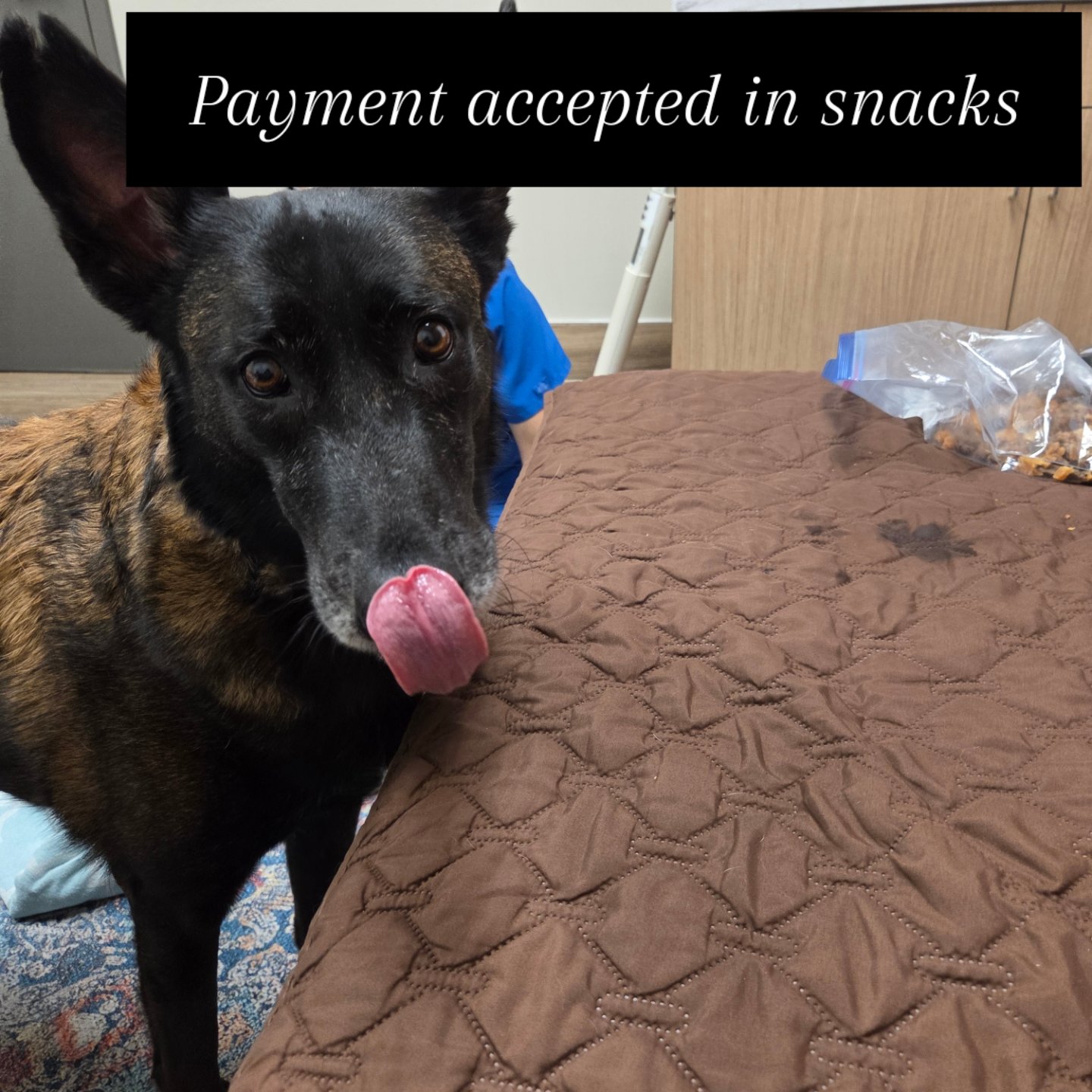
Sometimes, when Lady Priscilla flops into a Lay (our cue for “down”) with too much flair or strings together a combo of tricks no one asked for, we catch ourselves grinning. It’s not disobedience… not really. It’s declaration. Like Haley in the Stick It movie, she’s showing us she knows the rules well enough to bend them. Her movement is precise, expressive, and just rebellious enough to say: This is mine now. And we let her. Because in those moments, she isn’t just performing. She’s writing her own routine.
Stick It Meaning — Rebellion, Recovery, and Reclamation
At first glance, Stick It might seem like just a high-energy gymnastics movie packed with attitude and acrobatics. But beneath the leotards and catchy soundtrack lies something deeper: a story about trauma, autonomy, and learning to move through the world on your own terms.
Haley Graham Didn’t Just Quit — She Stuck It to the System
Haley Graham, the film’s protagonist, isn’t just a gymnast who walked away. She stormed out of World Championships mid-meet, costing Team USA the gold medal — and instantly became a national pariah. Labeled a disgrace and a cautionary tale, she wasn’t welcomed back into the sport. She was court ordered.
And when she returns to competition, it’s not in quiet defeat. It’s in full rebellion.
But what makes Haley’s story powerful isn’t just her resistance — it’s the evolution of it. Her anger is earned, her mistrust valid. Her mom was having an affair with her coach, and she found out at Worlds. That’s the real reason she walked away.
The moment Haley decides to take ownership of her sport again — not for gold, not for glory, but on her own terms — is the moment Stick It becomes more than a gymnastics movie.
Performance as Protest, Movement as Healing
In the final act of Stick It, Haley doesn’t just walk away from the mat — she sparks a movement. After a teammate is penalized for a visible bra strap, Haley decides she’s done playing by the system’s arbitrary rules. But this time, she doesn’t go it alone. One by one, the gymnasts unite behind her. They band together to choose a winner for each event. The rest deliberately scratch. Whoever they select is the only one who performs.
It’s bold, beautiful, and orchestrated.
This isn’t about medals anymore. It’s about reclaiming control. The girls aren’t asking the judges for permission. They’re telling them: This is how it’s going to be.
That kind of protest isn’t just defiance. It’s creative resistance. And it becomes healing. Movement, once dictated by fear and rigidity, turns into expression and choice.
Lady Priscilla’s journey echoes that same rhythm.
She came to us shaken, her past erased and her trust fractured. A brilliant mind dulled by punishment. A body built for power and precision, but conditioned to brace for pain. But like Haley, she didn’t stay broken.
Each trick she masters isn’t just a performance. It’s a reclamation.
And just like the gymnasts deciding who gets the floor, Lady Priscilla has a say in how her routines unfold. She improvises, adjusts, even rewrites commands to suit her style. Her heel turns into a strut. Her stay becomes a moment of pride. Every time she steps onto new ground — from a training arena to a theme park — she isn’t just following a cue. She’s rewriting the rules of what partnership looks like.

Control Your Tricks, Please
Sometimes, that rule-breaking comes with a grin.
Like the time we tried an off leash stay at Lowe’s.
She held it beautifully — calm, steady, focused. Dad called her, and she launched into a perfect recall… right past him, around the corner, and into the next aisle. We found her politely greeting two amused employees as they stocked shelves, tail wagging, entirely composed.
It wasn’t disobedience. It was improvisation.
She heard “Okra” (our cue for “come”), and she delivered — but she also saw a social opportunity and couldn’t resist the encore.
And that’s when it hit me: in the Stick It movie, Haley’s coach tells her, “You need to learn to control your tricks.”
We gave Lady Priscilla the same feedback — and, just like Haley, she’s still working on it.
Because brilliance without control is chaos. But control without brilliance? That’s not her style. And frankly, we wouldn’t want it to be.

A Star in Her Own Right
Haley Graham didn’t just heal. She led. In the end, it was her protest — and her willingness to speak up for the girls who couldn’t — that turned the gym on its head. She transformed competition into collaboration, performance into protest, and movement into meaning. She didn’t just stick the landing; she rewrote the sport.
Lady Priscilla, too, is stepping into her own kind of leadership.
She thrives on praise, revels in attention, and never misses a chance to strike a pose. But it’s not vanity — it’s vocation. When the camera comes out, she lights up. She’ll hold eye contact with the lens like she knows someone’s watching. And maybe she does. Because for her, every photo, every video, every moment captured is an extension of the work.
She doesn’t just want to be good. She wants to show others what’s possible.
Lady Priscilla lives to work — not only as a service dog in training, but as an ambassador. An example. A dog who once flinched at touch now walks through crowds with grace, demonstrates agility with flair, and draws admiration not for her obedience, but for her joy. She’s not just being trained. She’s training the world to see dogs like her differently.
And when she trots toward the phone mid-recording to “say hi” to the invisible audience, it’s not a quirk. It’s a message: I’m here. I matter. Watch me soar.
She Stuck It
In Stick It, Haley reclaims gymnastics by rewriting what it means to win. She turns performance into protest, individuality into strength, and leaves a legacy not by obeying the rules, but by knowing when to walk away from the ones that don’t serve her. That’s the revolution: not rebellion for its own sake, but resistance in service of something better.
Lady Priscilla is walking her own version of that beam. Every time she pauses to assess a challenge, every time she chooses connection over compliance, every time she invents a new twist on a learned behavior — she’s building a language all her own. Her past may be unknowable, but her future is entirely hers to choreograph.
And just like Haley, she isn’t doing it alone.
Her story — our story — is part of a bigger shift in how we understand dogs, training, and the relationship between autonomy and trust. We don’t want dogs that just obey. We want dogs that participate, co-create, and become the boldest versions of themselves.
Want to know how we got here?
Explore The Lady Priscilla Method, a trauma-informed approach built on joy, curiosity, and second chances. Or learn how it all connects in Maslow’s Hierarchy for Dogs, the theory behind the Method.
Suggested Reading in the Literary Arc
Want more reflections on trust, voice, and the freedom to choose your own path?
Read how Lady Priscilla learned to speak for herself in O Captain, My Captain, or how curiosity turned into courage in Yentl and the Wider Sky.
Explore the full collection of rescue dog stories inspired by literature, film, and transformation.
Leave a Reply